Balancing Window Ventilation and Exhaust Fans for Winter Bathroom Mold Control
When cold weather sets in, bathrooms become a battleground between moisture and ventilation. Steam from hot showers, damp towels, and lingering humidity create ideal conditions for mold growth, yet the instinct to keep warm air inside often works against good airflow. The challenge is real for anyone trying to prevent bathroom mold during the winter months. Two common strategies for managing moisture are opening a window and running an exhaust fan, but each has trade-offs when temperatures drop. Understanding how these options work in cold conditions helps you choose the right approach for your space.
Bathroom mold remediation in winter requires a different mindset than it does in summer. Cold air holds less moisture than warm air, so venting humid indoor air outside can be highly effective at reducing condensation on walls and ceilings. However, letting cold air into the bathroom can make the room uncomfortable and increase heating costs. Exhaust fans, on the other hand, remove moisture without directly chilling the room, but their performance can suffer in cold weather if ducts freeze or if the fan struggles against a negative pressure imbalance. The best strategy depends on your bathroom's layout, the severity of your mold problem, and your tolerance for a drafty room. Mold Removal Boston Pros
To understand why ventilation matters for Mold Removal Boston Pros and similar services, it helps to look at how moisture behaves in a closed bathroom during winter. When hot water runs, the air fills with vapor that condenses on cold surfaces like windows, mirrors, and tile grout. If that moisture sits for hours, mold spores that are always present in household dust can germinate and spread. A good ventilation strategy removes the moisture quickly before it settles.
How Window Ventilation Works in Cold Weather
Opening a window during or after a shower is the simplest ventilation method. It works by letting humid air escape and drawing in drier outdoor air. In winter, the outdoor air is very dry, so even a small opening can create a strong exchange. The cooler air that enters also lowers the dew point inside the room, which means less condensation on surfaces. For bathrooms with no exhaust fan or a weak one, this can be a lifesaver for mold control.
There are practical downsides. The obvious one is the cold draft. No one enjoys stepping out of a hot shower into a blast of freezing air, especially in a Boston winter. The discomfort may lead you to close the window too soon, before enough moisture has cleared. Another issue is that cold air can cause pipes to freeze if the window is left open for long periods in uninsulated spaces. Also, the window must be opened wide enough to make a difference. A tiny crack may not move enough air, while a fully open window can waste a lot of heat.
Window ventilation works best when you can open the window during the shower and leave it open for at least fifteen to twenty minutes afterward. If the bathroom has a radiator or heating vent nearby, the cold air mixes and warms up faster. Some people use a timer to remind themselves to close the window after the room has dried. This approach suits bathrooms that face away from prevailing winds and have windows that seal tightly when closed.
Exhaust Fans in Cold Conditions
Exhaust fans are the standard solution for removing bathroom moisture without opening a window. They pull humid air out of the room and vent it through a duct to the outside. In winter, the fan removes warm, moist air and replaces it with air that leaks in from the rest of the house, which is usually cooler but much drier. This exchange reduces humidity and condensation without the direct blast of cold air that a window creates.
But exhaust fans have their own winter problems. If the fan vents through an attic or an uninsulated duct, the moisture in the exhaust can freeze inside the duct, blocking airflow and potentially causing ice buildup that damages the fan. Condensation can also form inside the duct and drip back into the bathroom or into the ceiling. Another issue is that the fan may not have enough power to overcome the negative pressure created by other exhaust appliances in the house, like a kitchen hood or a clothes dryer. In very tight modern homes, running the bathroom fan can depressurize the house enough to pull cold air in through window cracks or door gaps, which makes the room drafty anyway.
To get the best from an exhaust fan in winter, run it during the entire shower and for at least twenty minutes afterward. Make sure the fan is sized for the bathroom's square footage. A fan that is too small will not remove enough moisture. It also helps to keep the bathroom door slightly open so that air can flow in from the rest of the house, reducing negative pressure. If you notice ice forming around the fan grille or in the duct, the fan may need a duct heater or a different vent path. Regular cleaning of the fan blades and housing also prevents performance loss from dust buildup.
Comparing the Two Approaches
The main difference between window ventilation and exhaust fans in cold weather comes down to comfort versus effectiveness. A window provides very effective moisture removal because it exchanges air directly with the dry outdoors, but it makes the room cold and wastes heat. An exhaust fan is more comfortable and energy-efficient in terms of heating, but it may not remove moisture as quickly if the fan is weak or if the duct is problematic.
For bathrooms that already have visible mold or a persistent moisture problem, a combination approach often works best. Start the exhaust fan before the shower to create airflow, open the window for the first few minutes of the shower to flush out the initial burst of steam, then close the window and let the fan finish the job. This sequence clears the heaviest moisture quickly without leaving the room cold for long. After the shower, keep the fan running and leave the door open to allow drier air from the hallway to circulate.
Another factor is the bathroom's location. A bathroom on an exterior wall with a window facing north or west may suffer from cold drafts and freezing pipes if the window is opened. A bathroom on an interior wall with no window has no choice but to rely on an exhaust fan. In that case, upgrading the fan to a more powerful model or one with a humidity sensor can make a significant difference. Humidity-sensing fans automatically run until the moisture level drops, which takes the guesswork out of timing.
Regardless of which method you prefer, the goal is to remove moisture before it settles. Mold Removal Boston Pros often find that the root cause of bathroom mold is not the shower itself but the ventilation habits that follow. Even a small change in how long you run the fan or whether you crack the window can prevent the kind of persistent dampness that leads to mold on grout, caulk, and painted surfaces.
When to Call for Professional Help
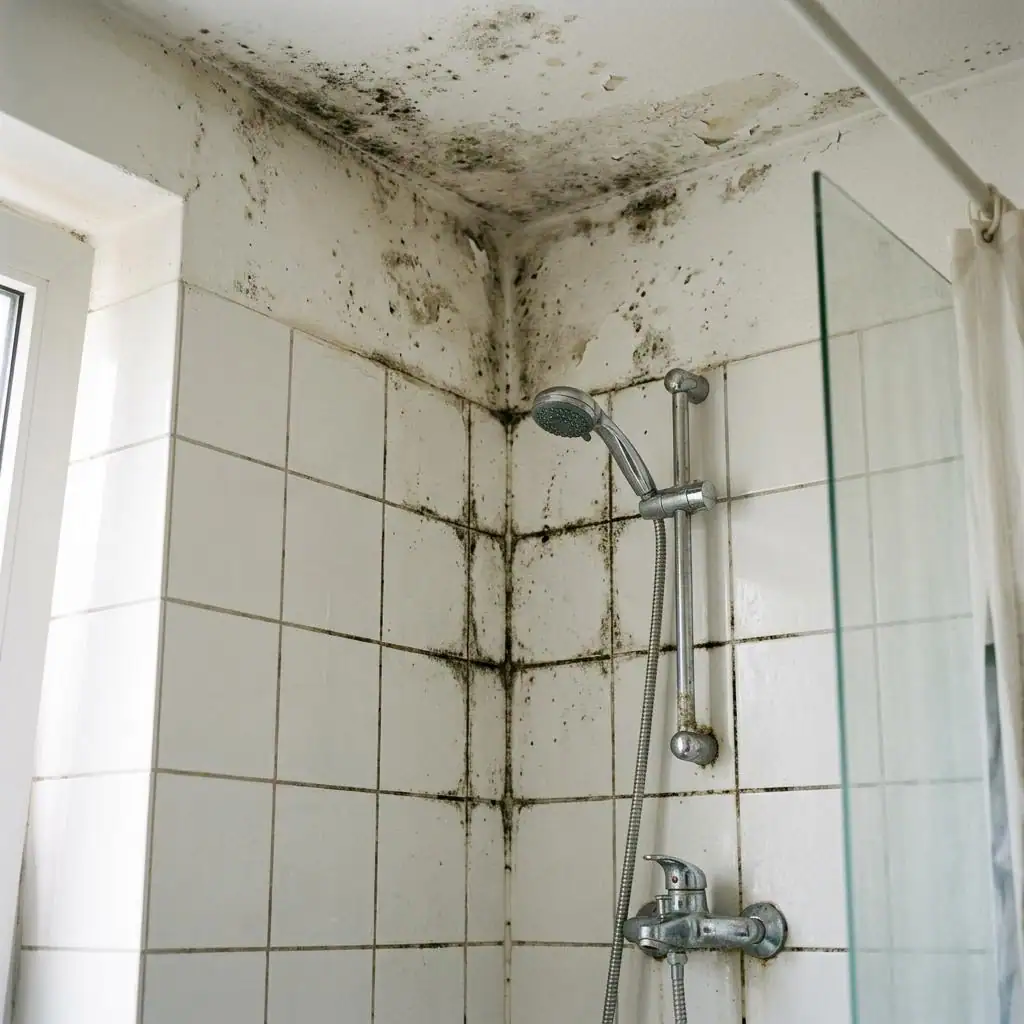
Sometimes mold keeps coming back no matter how well you ventilate. This can signal a deeper issue like a leak behind the wall, a failing exhaust fan, or a bathroom that simply does not have enough air exchange. In those cases, improving ventilation alone may not solve the problem. A professional assessment can identify hidden moisture sources and recommend structural fixes such as installing a larger fan, adding a window, or repairing damaged ducts. Mold Removal Boston Pros can evaluate the situation and determine whether the mold is being fed by condensation or by a hidden water leak.
Preventing bathroom mold in winter is about finding the balance that works for your home and your comfort. If you can tolerate a few minutes of cold air, window ventilation is a powerful tool. If you prefer to keep the heat in, a well-maintained exhaust fan run long enough can do the job. The key is to be consistent and to give the bathroom time to dry out after every use. With the right approach, you can keep mold at bay even during the coldest months.
Ends · THEDRYWALLJOURNAL